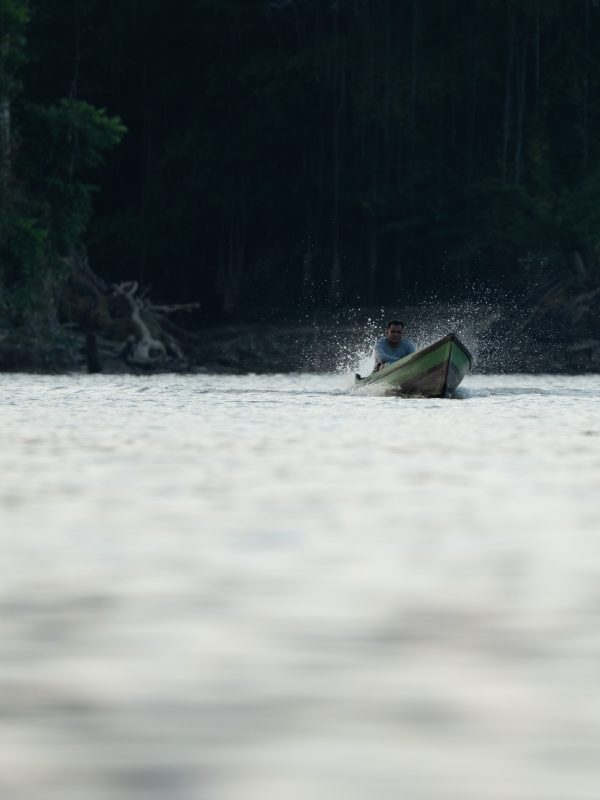
Nestled in the heart of Central Kalimantan, Sebangau National Park is one of Indonesia’s most extraordinary natural treasures. Covering more than 500,000 hectares of tropical peat swamp forest, the park protects one of the world’s largest populations of wild Bornean orangutans and an incredible diversity of wildlife, including gibbons, proboscis monkeys, hornbills, crocodiles, and hundreds of bird, fish, reptile, and plant species.
The dry season, which generally lasts from June to September and can sometimes extend into October, offers visitors a unique opportunity to experience this remarkable ecosystem from a different perspective. Lower water levels, sunny weather, and more predictable conditions make it a popular time to visit. However, the dry season also presents unique challenges that visitors should understand before planning their adventure.
A Different Side of the Peat Swamp Forest
During the rainy season, much of Sebangau National Park is flooded, making rivers and canals the primary routes for exploration. As the dry season arrives, water levels gradually recede, revealing forest trails, exposed peat soils, and hidden parts of the rainforest that are normally underwater.
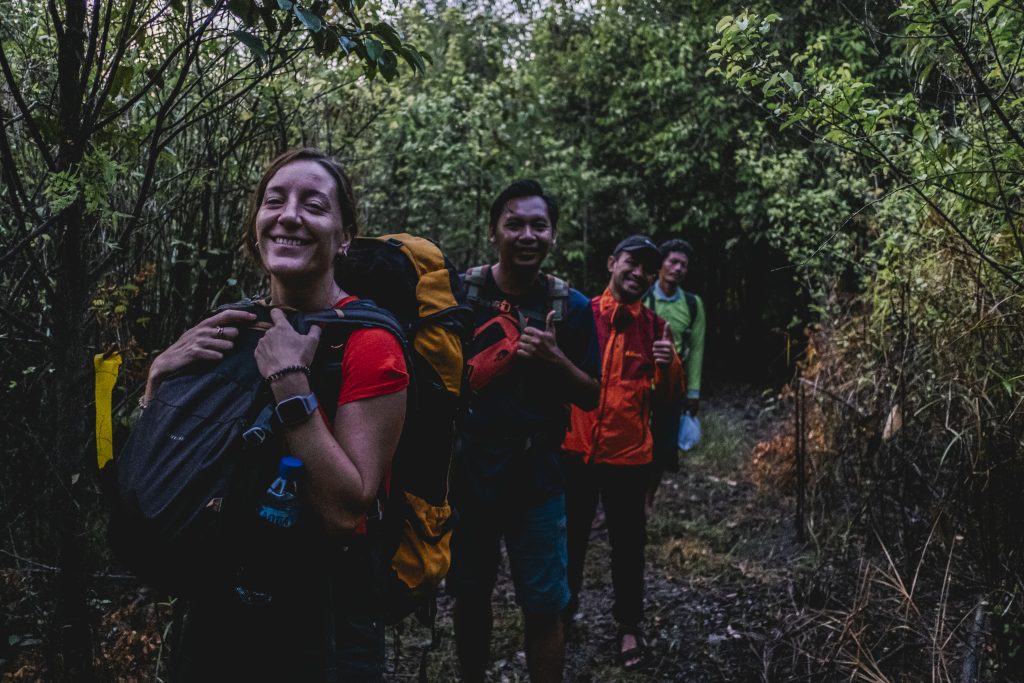
One of the biggest changes is the lower water level of the Katingan River and the park’s smaller waterways. As a result, boats are often unable to travel as far into the forest as they do during the wet season. Depending on water conditions, visitors may need to disembark at the riverbank and walk a short distance from the Katingan River to the guesthouserather than arriving directly by boat.
Boat excursions are also generally shorter during the dry season, as shallow canals become difficult or impossible to navigate safely. In contrast, the wet season allows boats to travel much deeper into the flooded forest, offering longer river journeys. Each season provides a different but equally rewarding experience—while the wet season showcases an extensive network of waterways, the dry season reveals the forest floor and creates more opportunities for trekking and wildlife observation.
This seasonal transformation highlights the remarkable adaptability of the peat swamp ecosystem and offers visitors a deeper appreciation of how water shapes life in one of Borneo’s most unique rainforests.
Outstanding Wildlife Encounters
The dry season is an excellent time for wildlife observation and nature photography. Stable weather conditions and calmer waterways make travel more comfortable, while reduced vegetation in some areas can improve opportunities to spot wildlife.
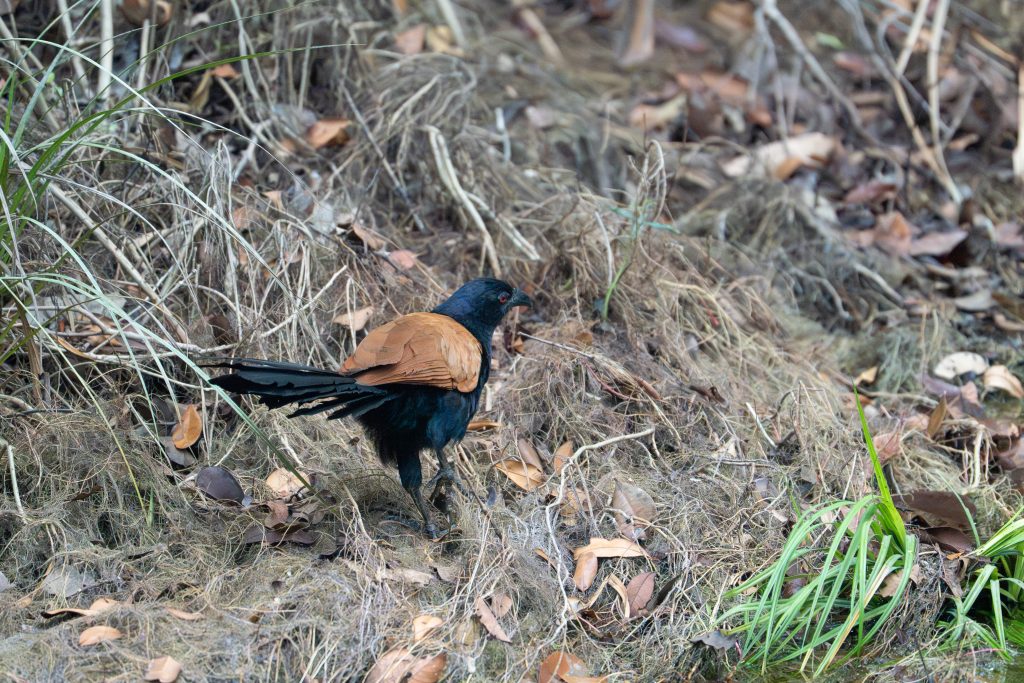
Sebangau National Park is internationally recognised for its healthy population of Bornean orangutans, but visitors may also encounter agile gibbons, red langurs, macaques, hornbills, kingfishers, monitor lizards, and an extraordinary variety of butterflies and insects.
Early mornings and late afternoons are generally the best times to observe wildlife, when temperatures are cooler and animals are most active. Guided tours led by experienced local guides greatly increase the chances of spotting wildlife while ensuring visitors minimise disturbance to the animals.
Peaceful River Adventures
Travelling through Sebangau National Park by traditional wooden boat remains one of the highlights of any visit. The park’s famous blackwater rivers reflect the surrounding rainforest, creating stunning scenery and excellent opportunities for photography.
Although boat trips are typically shorter during the dry season because of lower water levels, they still offer a peaceful journey through one of the world’s largest tropical peat swamp forests. Along the way, visitors can enjoy the sounds of the rainforest, watch birds soaring above the canopy, and perhaps catch a glimpse of an orangutan moving gracefully through the trees.
Dry Season Challenges: Forest Fires and Haze
While the dry season offers ideal conditions for exploration, it also brings environmental challenges. As water levels fall, peat soils become increasingly dry. During particularly dry years, especially when rainfall is well below average, the risk of peat and forest fires increases.
Unlike ordinary forest fires, peat fires can burn underground for weeks or even months. These fires are difficult to detect and extinguish and produce thick smoke known as haze or smog, which can spread across Central Kalimantan and neighbouring regions.
When haze becomes severe, air quality may decline significantly. Outdoor activities can become less enjoyable, visibility may be reduced, and people with respiratory conditions, children, and older adults may experience eye irritation, coughing, or breathing difficulties.
Major haze events can also disrupt transportation. Reduced visibility may cause delays or cancellations of flights to and from airports serving Central Kalimantan, including Palangka Raya. Road and river travel may also become more challenging when visibility is poor.
It is important to note that these conditions do not occur every year. The severity of forest fires and haze depends on rainfall, climate patterns, and the success of ongoing peatland restoration and fire prevention programmes. Government agencies, conservation organisations, local communities, and park authorities continue working together to reduce fire risks through peatland rewetting, canal blocking, early fire detection, and community-based fire prevention initiatives.
Before travelling during the late dry season—particularly between August and October—it is advisable to monitor weather forecasts, local air quality information, and airline updates in case travel plans need to be adjusted.
Conservation in Action
Sebangau National Park is globally significant not only because of its wildlife but also because its peatlands store enormous amounts of carbon. Protecting these peat swamp forests helps reduce greenhouse gas emissions, conserve biodiversity, regulate water systems, and support local communities.
Visitors can contribute by choosing responsible tour operators, respecting wildlife, following park regulations, staying on designated trails, and supporting community-based ecotourism that helps protect this remarkable landscape.
Tips for Visiting During the Dry Season
To make the most of your visit:
- Wear lightweight, breathable clothing suitable for tropical conditions.
- Bring a hat, sunglasses, and sunscreen for protection from the sun.
- Carry plenty of drinking water to stay hydrated.
- Use insect repellent, especially during early morning and evening activities.
- Wear sturdy walking shoes suitable for forest trails, boardwalks, and uneven peat terrain.
- Be prepared for a short walk between the Katingan River boat landing and the guesthouse, as low water levels may prevent boats from reaching the usual docking point during the peak of the dry season.
- Expect boat excursions to be shorter than during the wet season because some waterways become too shallow for navigation.
- If haze is present, consider wearing a high-quality face mask, particularly if you have respiratory sensitivities.
- Check weather forecasts, air quality reports, and flight schedules before travelling.
- Always follow the guidance of park rangers and certified local guides.
Experience One of Borneo’s Greatest Natural Treasures
The dry season reveals a fascinating side of Sebangau National Park. With accessible forest trails, peaceful river journeys, and excellent opportunities to observe orangutans and other wildlife, it is an ideal time for ecotourists, photographers, researchers, and anyone seeking a deeper connection with nature.
Although visitors should be aware of seasonal conditions such as lower river levels, shorter boat trips, and the possibility of haze during exceptionally dry years, these factors are part of the dynamic nature of a tropical peat swamp ecosystem. With good preparation and a spirit of adventure, the dry season offers an unforgettable opportunity to experience one of Borneo’s most important rainforests while supporting the conservation efforts that protect it for future generations.