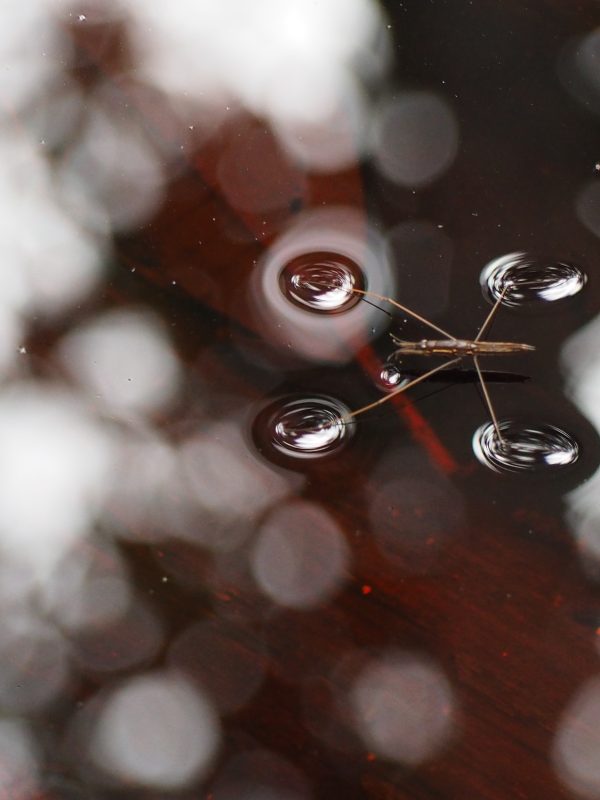
A Natural Mystery of Central Kalimantan’s Peat Swamp Forest
Deep in the heart of Borneo, the rivers flowing through Sebangau National Park often surprise visitors with their unusual color. Instead of clear blue or green water, many parts of the river appear dark red, reddish-brown, or tea-colored. For first-time travelers exploring this incredible peat swamp forest, the question naturally arises:
Why is the river red? Is it safe?
The answer lies in the unique ecosystem of the peat swamp forest that surrounds the river.
The Peat Swamp Forest Effect
The rivers in Sebangau National Park flow through one of the largest tropical peat swamp forests in the world. Peat soil forms when leaves, wood, and other organic materials accumulate and decompose very slowly over thousands of years.
Because the forest floor is constantly wet and oxygen levels are low, this organic matter does not fully break down. Instead, it becomes thick layers of peat soil, sometimes reaching several meters deep.
When rainwater passes through this peat, it absorbs natural compounds from the decaying plant material, which then flow into the rivers.
Tannins: The Natural “Tea” in the Water
The reddish color of the river comes primarily from tannins, natural organic compounds released by decomposing leaves, bark, and wood in the peat forest.
Tannins are the same substances that give tea its brown color when you steep tea leaves in hot water.
In fact, many scientists describe the rivers of Borneo’s peat forests as “blackwater rivers” because the water looks similar to strong tea or coffee.
This natural process gives the Sebangau River its distinctive dark red or reddish-brown appearance, especially during certain seasons.
Crystal Clear, Despite the Color
Although the water may look dark, it is often surprisingly clear. If you scoop the water in your hand or a bottle, you will notice that it looks like transparent tea rather than muddy water.
This is because the color does not come from soil or pollution, but from dissolved organic matter from the forest.
For local wildlife, this environment is perfectly natural.
A Unique Habitat for Wildlife
The peat swamp rivers of Sebangau National Park support a remarkable variety of species that have adapted to this acidic, tannin-rich water.
Some of the wildlife commonly found along these rivers include:
- Wild Bornean orangutan living in the surrounding forest canopy
- Proboscis monkey occasionally seen along riverbanks
- Colorful kingfishers and hornbills
- Unique blackwater fish species adapted to peat ecosystems
These rivers are essential corridors for wildlife movement and provide important food sources throughout the forest.
Why This Ecosystem Is So Important
Peat swamp forests like those in Sebangau National Park are not only beautiful and unique—they are also incredibly important for the planet.
They function as:
- Massive carbon storage systems, helping slow climate change
- Critical habitat for endangered wildlife such as the Bornean orangutan
- Natural water regulators, controlling flooding and drought
Protecting these forests means protecting both biodiversity and global climate stability.
Experience the Red Rivers of Sebangau
One of the best ways to see this unique natural phenomenon is by exploring the rivers by traditional klotok boat or canoe with a local guide.
As you glide through the quiet waterways of Sebangau National Park, the red-tinted water reflects the towering forest around you—creating a truly unforgettable atmosphere deep in Borneo’s wilderness.
For nature lovers, photographers, and wildlife enthusiasts, this rare ecosystem offers an experience unlike anywhere else in the world.
Explore Sebangau with Sebangau Tour
Discover the wildlife, peat forests, and mysterious red rivers of Borneo with local guides who know the forest best.
Visit SebangauTour.com to start planning your adventure.