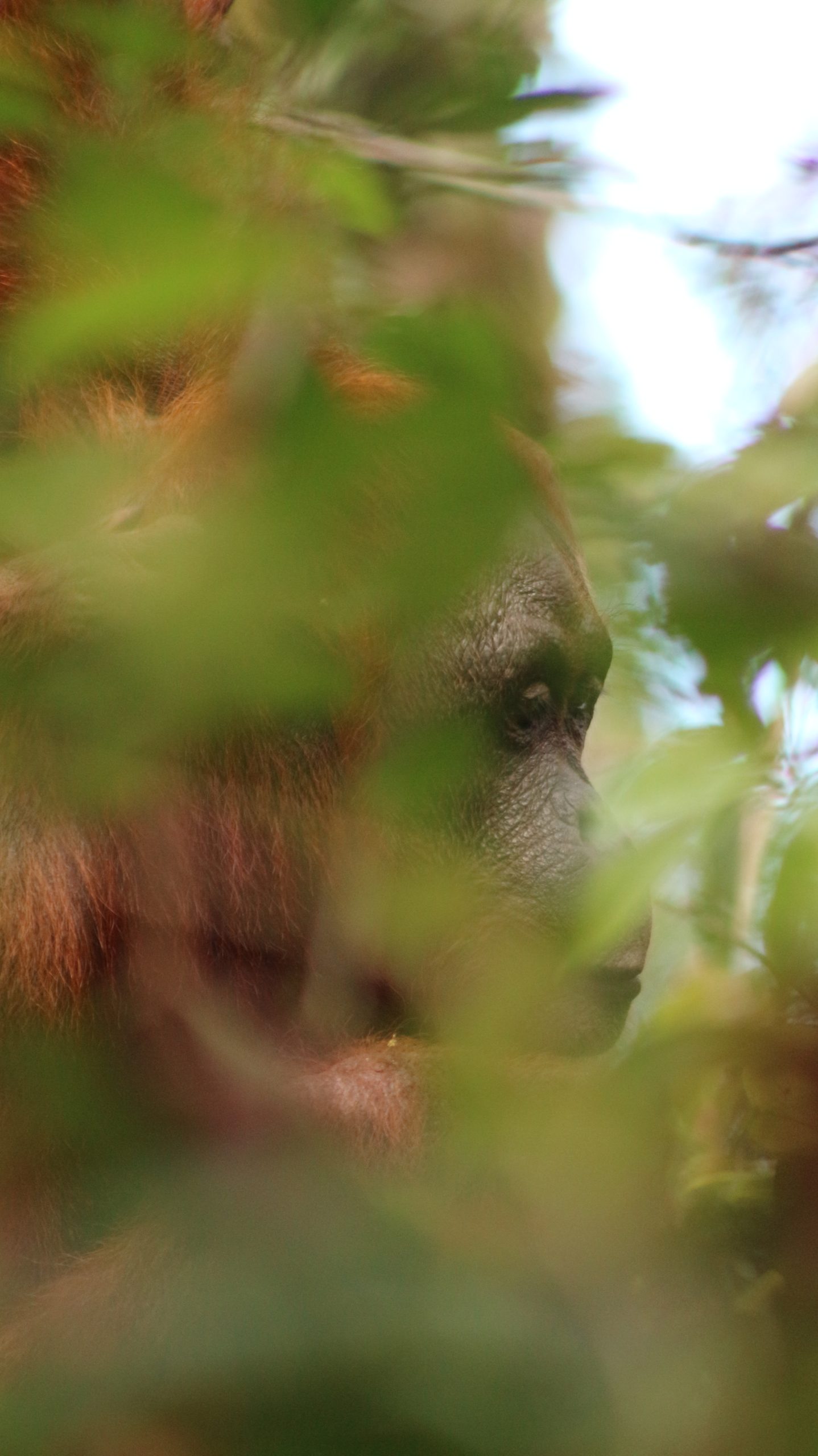
Hidden in the vast peat swamp forests of Central Kalimantan, Sebangau National Park is one of the best places on Earth to see wild Bornean orangutans living freely in their natural habitat. Unlike some wildlife destinations where orangutans are rehabilitated or semi-wild, the orangutans of Sebangau are completely wild, moving through the forest canopy just as they have for thousands of years.
For travelers looking for an authentic rainforest experience in Borneo, visiting Sebangau offers something rare: the chance to observe one of the world’s most intelligent primates in a pristine ecosystem that few tourists have discovered.
In this guide, we’ll explore what makes Sebangau so special, what it’s like to encounter wild orangutans here, and why this national park is crucial for their survival.
One of the Largest Wild Orangutan Populations in the World
Sebangau National Park protects more than 560,000 hectares of tropical peat swamp forest, making it one of the largest protected peat ecosystems in Indonesia.
More importantly, it is home to over 6,000–8,000 Bornean orangutans, making it one of the largest remaining populations of wild orangutans on the planet.
Unlike other famous orangutan destinations in Borneo where feeding platforms attract animals, Sebangau offers a truly natural wildlife experience. Orangutans here forage, travel, and build nests without any human interference.
Because of this, every sighting feels special and unpredictable.
Some visitors see several orangutans during a trek, while others might only spot one high in the trees—but the experience of searching for them in the rainforest is part of the adventure.
What Makes Sebangau’s Habitat Unique
Sebangau’s landscape is very different from typical tropical rainforest.
The park is dominated by peat swamp forest, a unique ecosystem where thick layers of organic soil have accumulated over thousands of years. These peatlands store enormous amounts of carbon and support a wide variety of plant and animal life.
For orangutans, peat forests provide an ideal home because they contain:
- Hundreds of fruit tree species
- Dense canopy cover for safe travel
- Abundant nesting sites
- Wetland protection from predators
Researchers have documented more than 200 types of food plants eaten by orangutans in Sebangau. Their diet includes fruits, young leaves, bark, flowers, insects, and sometimes honey.
During fruiting seasons, orangutans may spend hours feeding in a single tree.
The Experience of Seeing a Wild Orangutan
Trekking in Sebangau is very different from visiting a typical wildlife park.
Most excursions begin with a boat ride along the blackwater rivers that flow through the peat forest. The calm water reflects the tall trees while hornbills and kingfishers fly overhead.
After arriving at a trekking point, visitors enter the forest along wooden boardwalks or natural trails guided by experienced local guides.
The forest is full of sounds:
- Gibbons calling in the distance
- Cicadas buzzing in the humid air
- Branches moving high above the canopy
Suddenly, your guide may stop and quietly point upward.
High in the trees, a reddish shape slowly moves between branches. A female orangutan carefully climbs toward a fruiting tree while her baby clings tightly to her body.
Watching them in silence is an unforgettable moment.
Unlike zoo animals, wild orangutans completely ignore visitors. They continue their daily routines—feeding, resting, and traveling through the forest canopy.
Sometimes visitors are also lucky enough to hear the long call of a dominant male orangutan. This deep, echoing call can travel more than a kilometer through the forest and serves as a signal to other orangutans about territory and dominance.
Daily Life of Orangutans in Sebangau
Orangutans live slow, deliberate lives compared to many other primates.
Their daily routine usually follows a predictable pattern:
Morning
Orangutans wake up in their nests built high in the trees. These nests are made from branches and leaves woven together into a comfortable platform.
After waking, they begin searching for fruit trees to eat breakfast.
Midday
During the hotter hours of the day, orangutans often rest in the shade of the canopy while continuing to feed.
Afternoon
They continue traveling through the forest, sometimes covering several kilometers in a day while searching for food.
Young orangutans spend years learning from their mothers—how to find edible plants, how to build nests, and how to navigate the forest safely.
Evening
Before sunset, orangutans build a new nest for the night.
Researchers have found that orangutans build a fresh nest almost every day, making thousands of nests during their lifetime.
Why Protecting Sebangau Is So Important
Despite its incredible biodiversity, Sebangau has faced serious threats in the past.
In the 1990s, large areas of the forest were damaged by illegal logging and peat drainage canals. These canals dried out the peatland, making the forest highly vulnerable to fires.
Peat fires are especially dangerous because they burn underground and can continue for months.
Fortunately, conservation organizations and the Indonesian government have worked together to protect and restore Sebangau.
Major conservation efforts include:
- Blocking old drainage canals to restore natural water levels
- Monitoring orangutan populations
- Preventing forest fires
- Supporting local communities through sustainable tourism
These efforts are helping the forest recover and ensuring that Sebangau remains one of the most important strongholds for wild orangutans.
Other Wildlife You May Encounter
Although orangutans are the main attraction, Sebangau National Park is home to a rich variety of wildlife.
Visitors might also see:
- Proboscis monkeys along riverbanks
- White-bearded gibbons calling in the morning
- Hornbills flying across the canopy
- Clouded leopards (rare and elusive)
- Crocodiles in the blackwater rivers
The park is also a paradise for birdwatchers, with more than 300 bird species recorded in the area.
Best Time to See Orangutans in Sebangau
Sebangau National Park can be visited year-round, but some seasons offer better trekking conditions.
Dry season (June – September)
- Easier forest trekking
- Lower water levels
- More stable weather
Wet season (October – May)
- Lush green forest
- Rivers are easier to navigate by boat
- Wildlife still active
Orangutans can be seen throughout the year, though sightings always depend on luck and patience.
Responsible Orangutan Tourism
Because orangutans share many diseases with humans, responsible tourism is essential.
Visitors should follow these guidelines:
- Keep at least 10 meters distance from orangutans
- Never feed wildlife
- Do not use flash photography
- Avoid loud noises
- Follow instructions from local guides
Responsible tourism helps protect wildlife while supporting local communities living around Sebangau.
Why Sebangau Is a Hidden Gem for Wildlife Travelers
While many travelers visit Borneo for orangutans in well-known locations, Sebangau National Park remains one of the most authentic wildlife experiences in Indonesia.
Here, there are no crowds, no feeding stations, and no artificial encounters.
Instead, visitors explore a vast, untouched peat forest where orangutans still live as they always have—free, wild, and high in the forest canopy.
For those seeking a deeper connection with nature, watching a wild orangutan in Sebangau is not just a wildlife sighting.
It’s a reminder that some of the world’s last great rainforests are still alive.
And they are worth protecting.
Plan Your Orangutan Adventure in Sebangau
If you are planning a trip to Sebangau National Park, most tours start from Palangkaraya, the capital of Central Kalimantan.
Typical tours include:
- Riverboat transport
- Guided jungle trekking
- Wildlife observation
- Local conservation insights
A guided tour not only increases your chances of spotting wildlife but also supports conservation programs that protect the forest and its incredible inhabitants.