When people think of Sebangau National Park, orangutans usually steal the spotlight. Yet hidden among the towering peat swamp forests and winding blackwater rivers is another remarkable attraction—one that birdwatchers and wildlife photographers from around the world are beginning to discover.
With more than 100 recorded bird species, including several globally threatened birds, Sebangau National Park offers one of the most rewarding birdwatching experiences in Indonesian Borneo. Whether you’re an experienced birder or simply enjoy observing wildlife in its natural habitat, the park provides unforgettable encounters with some of Southeast Asia’s most spectacular birds.
Why Sebangau National Park Is a Birdwatcher’s Dream
Sebangau National Park protects over 568,700 hectares of tropical peat swamp forest in Central Kalimantan. This unique ecosystem supports an incredible diversity of wildlife, making it one of Borneo’s most important conservation areas.
Unlike crowded tourist destinations, Sebangau remains peaceful and relatively untouched. The combination of dense rainforest, ancient trees, freshwater swamps, and blackwater rivers creates ideal habitats for birds that are difficult to find elsewhere.
Early mornings are especially magical. As mist rises above the river, the forest comes alive with the sounds of hornbills, kingfishers, barbets, woodpeckers, and countless other species greeting the new day.
Birds You May See in Sebangau
Every birdwatching trip is different, but visitors regularly encounter a fascinating variety of rainforest birds.
Oriental Pied Hornbill
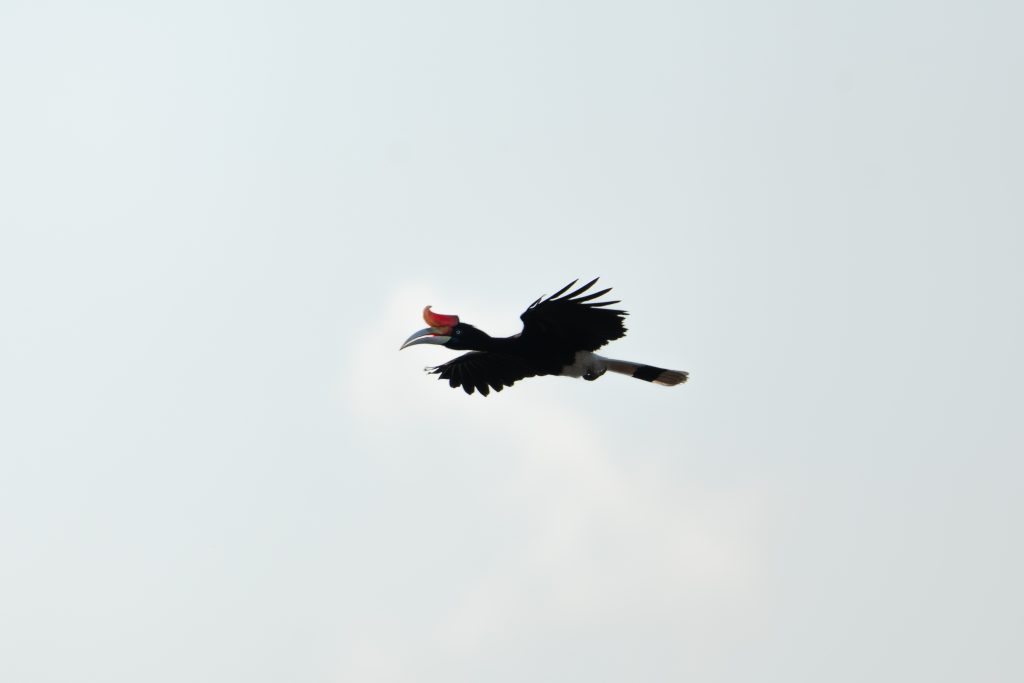
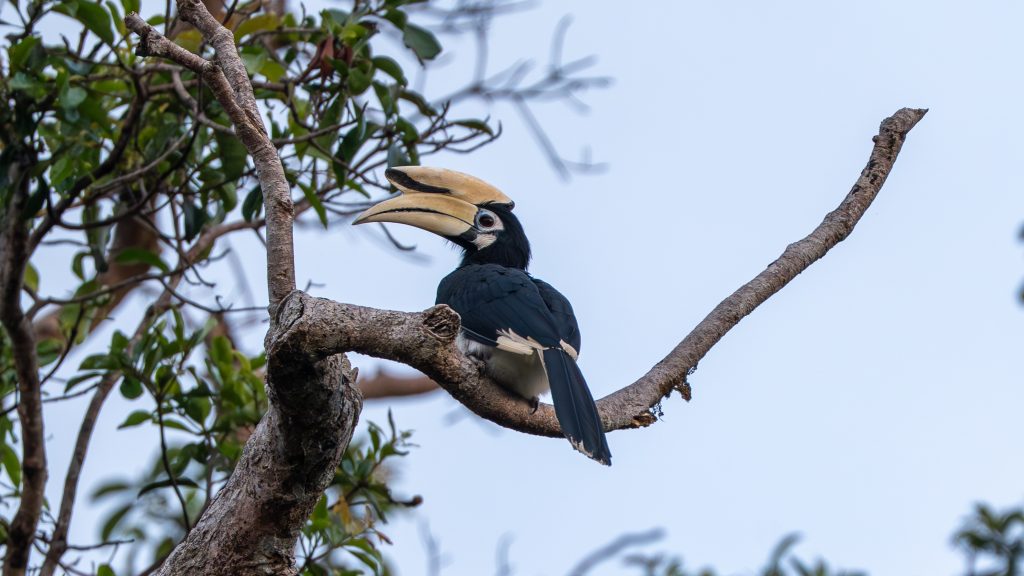
One of Sebangau’s most iconic birds, the Oriental Pied Hornbill is easily recognized by its large ivory-colored bill and distinctive casque. These impressive birds often fly above the forest canopy or perch high in fruiting trees.
Hornbills play a vital ecological role by dispersing seeds across the rainforest, helping maintain healthy forest ecosystems. Seeing one glide across the morning sky is a highlight of any visit.
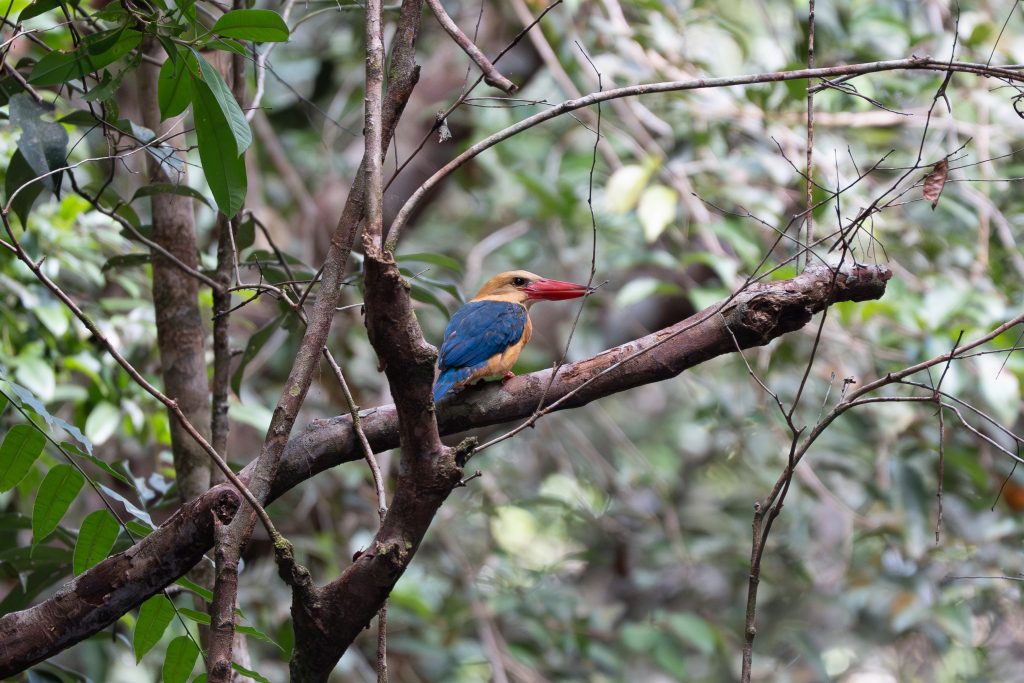
Kingfishers
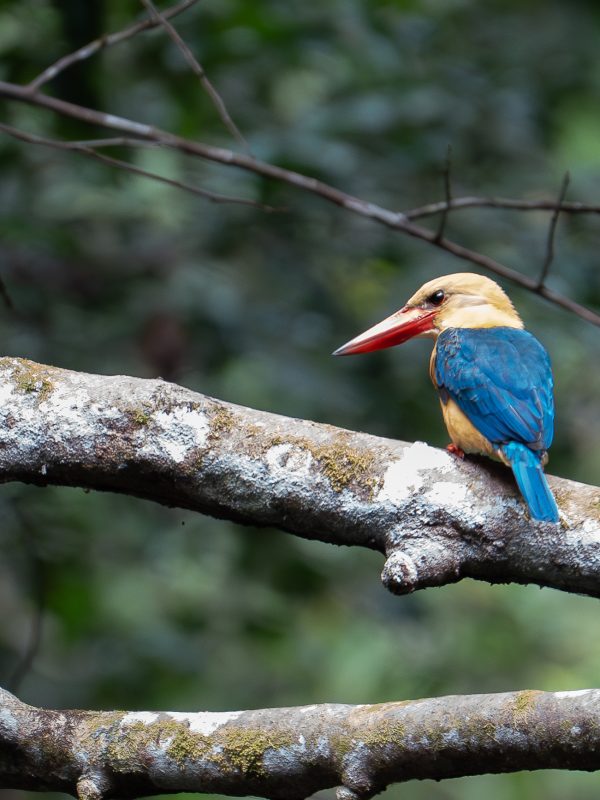
Sebangau’s rivers are home to several kingfisher species. Their brilliant blue and orange plumage provides stunning photographic opportunities as they dive into the dark waters in search of fish.
Patient observers drifting quietly along the river often enjoy excellent views.
Raptors
Keep an eye on the canopy and open skies for birds of prey such as hawk-eagles and other forest raptors. These skilled hunters patrol the rainforest looking for small mammals, reptiles, and birds.
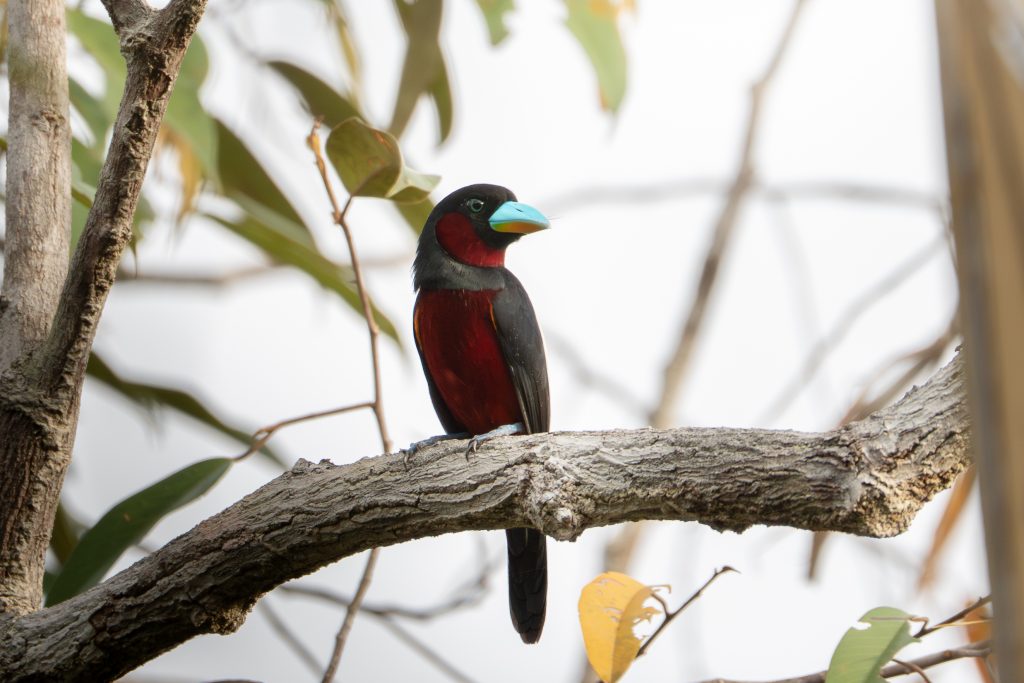
Woodpeckers, Barbets, and Broadbill
The rich forest supports numerous colorful woodland birds. Their calls echo through the trees long before they become visible, adding to the immersive rainforest experience.
Other Notable Species
Depending on the season and your luck, you may also encounter:
- Green Imperial Pigeon
- Raffles’s Malkoha
- Black-bellied Malkoha
- Chestnut-bellied Malkoha
- Violet Cuckoo
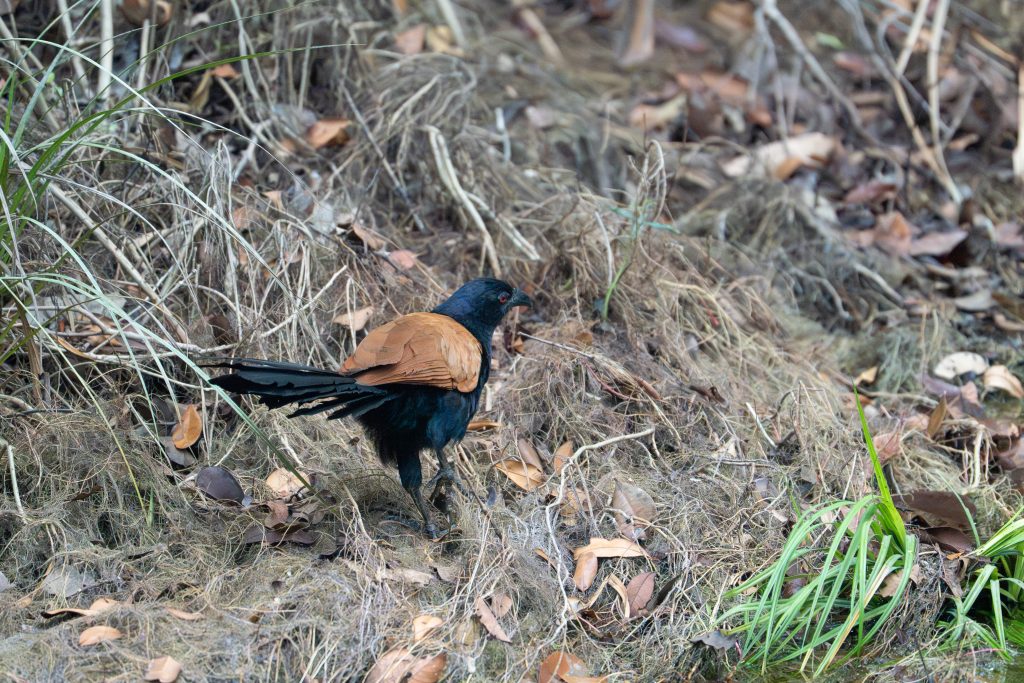
- Greater Coucal
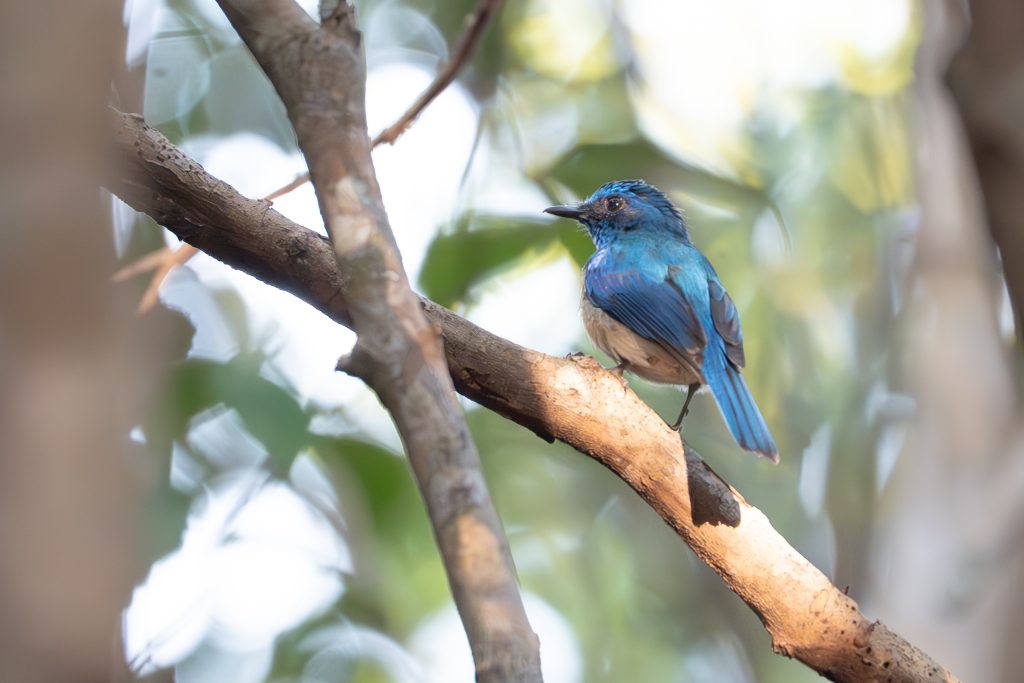
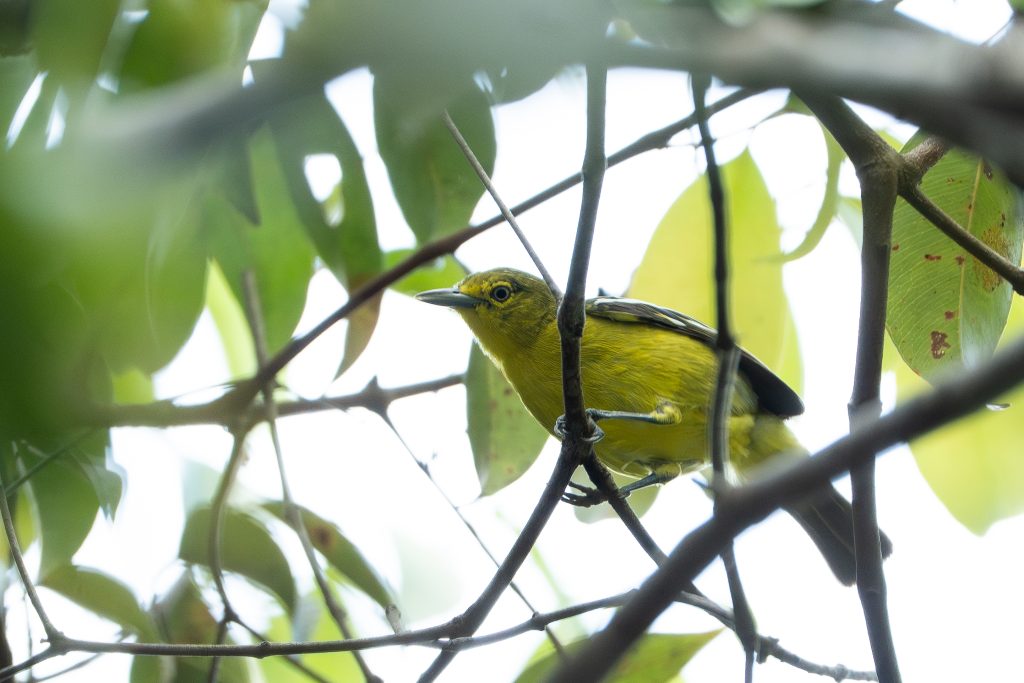
- Various bulbuls, sunbirds, and flycatchers
More than 100 bird species have been documented in Sebangau National Park, including several that are considered globally threatened.
Best Time for Bird Watching
The best birdwatching usually takes place:
- Early morning (5:30–9:00 AM) when birds are most active.
- Late afternoon (3:30–6:00 PM) as temperatures cool and wildlife becomes active again.
Morning boat cruises along Sebangau’s calm blackwater rivers provide exceptional opportunities to spot birds feeding, calling, or flying between the trees.
Bird Photography Tips
If photography is your goal, consider bringing:
- A telephoto lens (300–600 mm)
- Binoculars
- Lightweight tripod or monopod
- Rain protection for your camera
- Extra batteries and memory cards
Because many birds remain high in the canopy, patience is one of your most valuable tools. Local guides know where fruiting trees and nesting areas attract regular bird activity, greatly increasing your chances of memorable sightings.
More Than Just Birds
One of Sebangau’s greatest advantages is that birdwatching here rarely happens in isolation.
While searching for hornbills or kingfishers, visitors frequently encounter:
- Endangered Bornean orangutans
- Proboscis monkeys
- Red langurs
- Agile gibbons
- Monitor lizards
- Crocodiles
- Colorful butterflies and dragonflies
Every boat journey becomes a complete rainforest wildlife safari.
Supporting Conservation Through Ecotourism
Birdwatching in Sebangau National Park is more than an enjoyable outdoor activity—it directly supports rainforest conservation.
By joining responsible eco-tours, visitors contribute to:
- Protection of endangered wildlife
- Conservation of peat swamp forests
- Sustainable livelihoods for local communities
- Environmental education and research
Responsible tourism helps ensure that future generations can continue experiencing one of Borneo’s richest natural habitats.
Plan Your Birdwatching Adventure
Whether you’re building your life list, photographing tropical birds, or simply looking for a peaceful escape into nature, Sebangau National Park offers an unforgettable experience.
The quiet rivers, ancient rainforest, and extraordinary birdlife make every excursion unique. From the unmistakable call of a hornbill echoing through the canopy to the flash of a kingfisher skimming across blackwater, each moment reveals another reason why Sebangau is one of Indonesia’s hidden treasures for birdwatchers.
Ready to explore Borneo’s incredible birdlife? Join Sebangau Tour for a guided birdwatching adventure and experience the rainforest through the eyes—and songs—of its remarkable feathered residents.