Introduction
Planning a trip to Borneo? If you’re looking for an authentic wildlife adventure away from the crowds, Sebangau National Park in Central Kalimantan, Indonesia, should be at the top of your list. Famous for its vast peat swamp forest and wild orangutan population, Sebangau offers unique experiences such as river cruises, wildlife spotting, and cultural encounters with Dayak communities.
But one question every traveler asks is: When is the best time to visit Sebangau National Park?
The answer depends on what you want to see and experience. This guide breaks down the park’s climate, seasons, and highlights, so you can choose the perfect time for your journey into one of Borneo’s last great wildernesses.
Understanding Sebangau’s Climate
Sebangau National Park sits in the heart of Borneo’s tropical rainforest. Like most of Kalimantan, the climate is:
- Tropical and humid – Average temperatures range from 25–32°C (77–90°F).
- High rainfall – Annual rainfall averages 2,500–3,000 mm.
- Two main seasons – Dry season and rainy season, though rain can occur year-round.
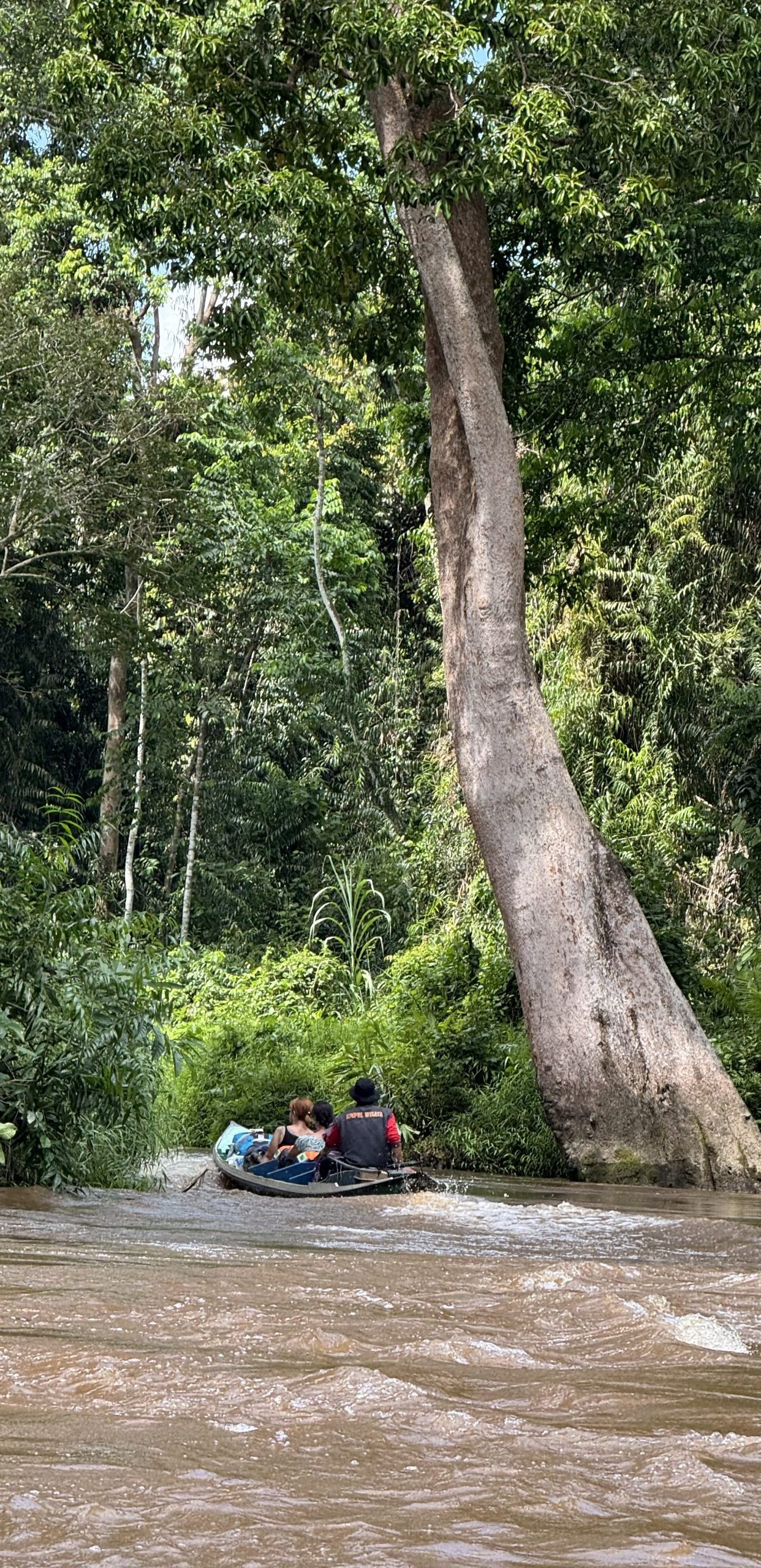
Because the park is dominated by peat swamp forest and blackwater rivers, water levels rise and fall dramatically with the seasons. This influences not only how you explore the park, but also the kind of wildlife encounters you’ll have.
Dry Season (June – September): The Best Overall Time to Visit
The dry season is widely considered the best time to visit Sebangau National Park.
What to Expect:
- Weather: Lower rainfall, clear skies, and more predictable river conditions.
- Wildlife: Easier to spot orangutans, proboscis monkeys, hornbills, and other animals since they tend to gather closer to the rivers and forest edges.
- Activities: Perfect for trekking, canoeing, birdwatching, and photography.
- River Cruises: Blackwater rivers are calm, making boat rides more comfortable and safe.
- Tourism: Moderate crowds—still far fewer visitors compared to Tanjung Puting National Park.
Why Choose the Dry Season?
- Best for wildlife spotting – Orangutans and other primates are more active.
- Best for photography – Clear skies mean dramatic reflections on the blackwater rivers.
- Best for trekking – Trails are less muddy, making exploration easier.
Recommendation: If your goal is to see wildlife and enjoy smooth river trips, plan your trip between July and August for optimal conditions.
Rainy Season (October – May): A Wilder, Greener Experience
While most travelers prefer the dry season, the rainy season also has unique advantages for adventurous visitors.
What to Expect:
- Weather: Heavy but short tropical downpours, especially in December–March.
- Landscape: Forest is greener, lusher, and bursting with life.
- Wildlife: Still possible to see orangutans, though sightings may be less predictable.
- Activities: River levels are higher, meaning easier access to deeper parts of the forest, but trekking can be muddy and challenging.
Pros of the Rainy Season
- Lush landscapes – Perfect for photography lovers who want to capture Borneo’s rainforest in full bloom.
- Lower tourist numbers – A more private, intimate experience with nature.
- Unique atmosphere – Misty mornings and dramatic skies add to the park’s mysterious charm.
Challenges
- Muddy conditions – Trekking requires waterproof boots and patience.
- Unpredictable rivers – Some areas may flood, altering travel routes.
- Wildlife spotting is harder – Animals have more water sources, so they may not stay close to the rivers.
Recommendation: If you love the raw, wild side of nature and don’t mind some rain, plan your visit during the shoulder months (October–November or April–May) when conditions are less extreme.
Best Time of Day for River Cruises
No matter which season you choose, timing your river excursions is just as important as choosing the right month.
- Morning Cruises (5:30–8:00 AM):
Mist rises from the water, gibbons call from the treetops, and birds are most active. Great for photographers and early risers. - Afternoon Cruises (3:30–5:30 PM):
Perfect for spotting proboscis monkeys and watching the golden light reflect on the blackwater rivers. - Sunset Cruises:
Experience magical skies mirrored on the river’s dark surface. - Night Excursions (optional with guides):
Spot nocturnal animals like owls, civets, and fireflies.
Seasonal Wildlife Highlights in Sebangau
One of the biggest reasons travelers visit Sebangau is to see wild orangutans. Here’s what you can expect seasonally:
- Dry Season: Orangutans, proboscis monkeys, and birds are easier to spot because vegetation is less dense near the rivers.
- Rainy Season: Harder to spot orangutans, but great for birdwatching, especially for rare swamp-dwelling species.
- Year-round: Gibbons, macaques, and hornbills are present in all seasons, though sightings depend on luck and patience.
Photography Tips by Season
- Dry Season: Focus on reflections in the blackwater rivers—clear skies make for striking images.
- Rainy Season: Bring waterproof gear to capture dramatic rainforests and misty mornings.
- Golden Hours (Sunrise/Sunset): Year-round, the best lighting for orangutan and landscape photography.
Where to Stay in Different Seasons
- Dry Season: Stay in eco-guesthouses or homestays near Kereng Bangkirai for easy access to morning cruises.
- Rainy Season: Consider hotels in Palangka Raya for comfort, then take day trips to Sebangau. This way you have more flexibility if weather conditions change.
Travel Tips for Choosing the Best Time
- Book in Advance for July–August: The most popular months with both local and international travelers.
- Pack Smart: In both seasons, bring insect repellent, quick-dry clothes, and waterproof bags.
- Be Flexible: Wildlife sightings are never guaranteed. Sometimes the most magical moments happen when you least expect them.
- Support Eco-Tourism: Choose responsible tour operators who prioritize conservation and local community involvement.
Month-by-Month Overview
- January – March: Peak rainy season. Expect heavy rains, challenging trekking, but lush forest scenery.
- April – May: Rain begins to ease. A good shoulder season with fewer tourists.
- June – September: Dry season. Best overall time for wildlife, river cruises, and photography.
- October – November: Start of rainy season. Still manageable, with greener landscapes and fewer visitors.
- December: Wet and wild, but full of atmosphere.
Conclusion
The best time to visit Sebangau National Park ultimately depends on what kind of adventure you’re seeking.
- If you want clear skies, easy river cruises, and high chances of seeing orangutans, visit during the dry season (June–September).
- If you prefer lush green forests, fewer tourists, and don’t mind a little rain, the shoulder months (April–May or October–November) are a great choice.
- For the truly adventurous, the rainy season (December–March) offers a raw and untamed experience of Borneo’s rainforest.
No matter when you go, Sebangau promises unforgettable encounters—with its rivers, forests, wildlife, and culture. By visiting responsibly, you’re not only exploring one of Borneo’s hidden gems, but also contributing to its protection for generations to come.
Harald Friedrich says:
Hello, we are an austrian couple just planning our Kalimantan trip including a visit to Palankaraya and Sebangau NP abt. February 10th. May your 3D/2N group tour take place during wet season ? If so, please confiorm price.
Kind Regards, Harald Friedrich