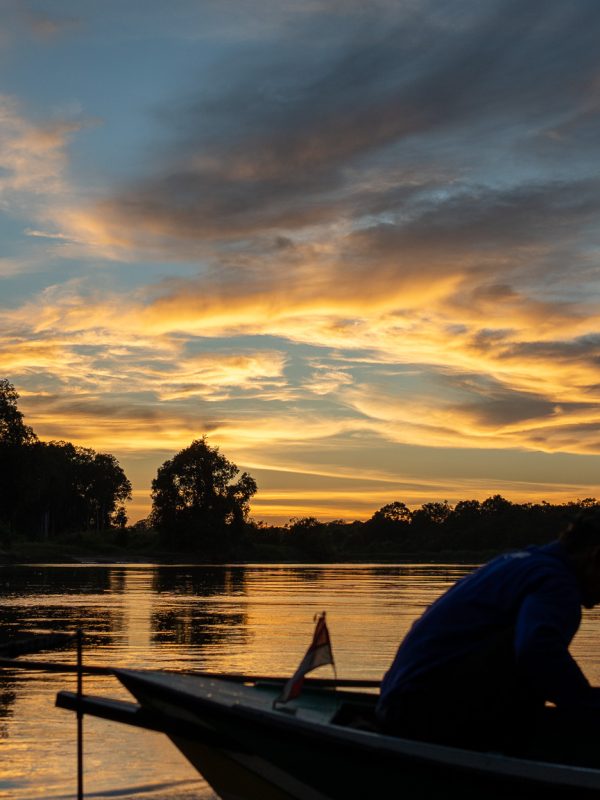
Introduction: A Forest That Tells a Story
Hidden in the heart of Central Kalimantan, Sebangau National Park is one of the most important peat swamp ecosystems on Earth. Today, it is celebrated as a haven for biodiversity—especially for the endangered Bornean orangutan—but its past reveals a dramatic story of exploitation, destruction, and ultimately, recovery.
This is not just a story about a forest. It is a story about how human actions can damage ecosystems—and how those same forces can help restore them.
Understanding Sebangau: Why This Forest Matters
Before diving into history, it’s important to understand what makes Sebangau so unique.
Sebangau is dominated by peat swamp forest, a rare ecosystem formed over thousands of years from layers of partially decomposed organic material. These peatlands act as:
- Massive carbon sinks, storing billions of tons of carbon
- Natural water regulators, controlling floods and droughts
- Critical habitats for rare and endangered species
Among its most famous residents is the Bornean orangutan, with one of the largest wild populations found in this region.
Because of its ecological importance, any damage to Sebangau has global consequences, especially in relation to climate change.
Life Before Logging: A Thriving Ecosystem
Before industrial exploitation began, Sebangau was a vast, untouched wilderness. Its dense forests, winding blackwater rivers, and rich biodiversity created a balanced and thriving ecosystem.
What the Forest Looked Like:
- Towering tropical trees forming a thick canopy
- Deep peat soils saturated with water
- Abundant wildlife, including primates, birds, reptiles, and fish
- Naturally functioning hydrological systems
Local communities lived in harmony with the forest, relying on it for small-scale resources without causing large-scale destruction.
This balance, however, began to shift in the late 20th century.
The Logging Boom (1970s–1990s): Exploiting the Forest
During the 1970s through the late 1990s, Sebangau became a hotspot for commercial logging. The demand for tropical hardwoods drove large-scale operations deep into the forest.
How Logging Transformed Sebangau
Logging companies built an extensive network of canals to transport timber. These canals allowed logs to be floated out of remote areas, making previously inaccessible forest exploitable.
However, these canals had unintended and devastating effects:
- Drainage of peatlands, lowering water levels
- Increased exposure of peat soil to air
- Disruption of natural hydrology
- Fragmentation of wildlife habitat
The Scale of Impact
It is estimated that thousands of kilometers of canals were constructed across the region. What once was a continuous forest became a patchwork of degraded land.
Wildlife populations declined, and ecosystems began to collapse under pressure.
The Peatland Crisis: Fire, Haze, and Ecological Collapse
When peatlands are drained, they become extremely vulnerable. What was once waterlogged and stable turns into dry, combustible material.
This led to one of the most severe environmental crises in Southeast Asia.
The 1997 Disaster
The 1997 Southeast Asian haze marked a turning point. Massive fires swept across Indonesia, fueled by dry peatlands and exacerbated by El Niño conditions.
Consequences of the Fires:
- Millions of hectares burned
- Thick haze affecting multiple countries
- Severe health impacts for millions of people
- Massive carbon emissions released into the atmosphere
- Destruction of wildlife habitats
In Sebangau, the damage was extensive. Fires burned underground in peat layers, making them extremely difficult to extinguish.
A Global Wake-Up Call: Recognizing Sebangau’s Importance
Following the devastation, scientists and conservationists began to study Sebangau more closely. What they found was astonishing.
Sebangau was not just another degraded forest—it was:
- One of the largest remaining peat swamp forests in Borneo
- A globally significant carbon store
- A stronghold for the Bornean orangutan
This realization triggered urgent conservation efforts.
2004: The Birth of Sebangau National Park
In 2004, the Indonesian government officially designated Sebangau National Park as a national park.
This was a major milestone in shifting from exploitation to protection.
Goals of the National Park:
- Preserve biodiversity
- Protect endangered species
- Restore damaged peat ecosystems
- Prevent illegal logging and fires
This decision marked the beginning of a long journey toward recovery.
Restoration Efforts: Healing a Damaged Ecosystem
Restoring a peat swamp forest is not easy. It requires long-term commitment, scientific knowledge, and collaboration.
Key Restoration Strategies
1. Canal Blocking
One of the most important actions has been blocking logging canals. This helps raise water levels and rewet the peat.
2. Reforestation
Native tree species are replanted to restore forest structure and biodiversity.
3. Fire Prevention
Community-based fire monitoring and early warning systems have been introduced.
4. Research and Monitoring
Organizations like Borneo Nature Foundation conduct long-term research on orangutans and ecosystem recovery.
Wildlife Recovery: A Fragile Comeback
As the forest begins to recover, wildlife is slowly returning.
Key Species in Sebangau:
- Bornean orangutan
- Proboscis monkeys
- Gibbons
- Hornbills
- Unique blackwater fish
Orangutans, in particular, have shown resilience. Despite habitat loss, Sebangau still supports one of the largest wild populations in the world.
The Role of Local Communities
Conservation in Sebangau would not be possible without local communities.
From Logging to Sustainability
Many people who once depended on logging have transitioned to:
- Eco-tourism guides
- Conservation workers
- Forest patrol teams
This shift has created sustainable livelihoods while protecting the environment.
Eco-Tourism: A New Hope for Sebangau
Eco-tourism has become a key part of Sebangau’s future.
Visitors can experience:
- Canoeing through blackwater rivers
- Observing wildlife in natural habitats
- Learning about conservation efforts
Unlike some other destinations, Sebangau offers a chance to see truly wild orangutans, without feeding stations.
Challenges That Still Remain
Despite progress, Sebangau still faces serious threats:
- Illegal logging
- Peatland fires during dry seasons
- Climate change impacts
- Limited funding for conservation
Protecting Sebangau requires ongoing effort and global awareness.
Why Sebangau Matters to the World
Sebangau is more than a national park—it is a critical part of the global ecosystem.
Its Global Importance:
- Helps regulate the Earth’s climate
- Protects endangered species
- Stores vast amounts of carbon
- Serves as a model for ecosystem restoration
The lessons learned here can be applied to other threatened ecosystems around the world.
Frequently Asked Questions
Why was Sebangau logged in the past?
Because of high demand for tropical hardwoods, leading to large-scale commercial logging.
What caused the fires in Sebangau?
Drained peatlands became dry and highly flammable, especially during droughts.
When did Sebangau become a national park?
In 2004.
Can you see wild orangutans in Sebangau?
Yes, it is one of the best places to see Bornean orangutan in their natural habitat.
Conclusion: A Story of Resilience and Hope
The transformation of Sebangau National Park from a heavily logged forest to a protected conservation area is a powerful example of resilience.
It shows that:
- Damage can be reversed
- Ecosystems can recover
- Conservation works
But it also reminds us that this recovery is fragile and must be protected.
Experience Sebangau for Yourself
A visit to Sebangau is more than just a trip—it’s a journey into a living story of transformation.
From quiet rivers stained dark by tannins to the distant call of wildlife in the canopy, every moment in the forest reflects both its troubled past and hopeful future.
Travel responsibly. Support conservation. Be part of the story.