Sebangau National Park is located in Central Kalimantan, Indonesian Borneo, on the island of Borneo. The national park is situated between the Kahayan River and Katingan River, with Palangka Raya serving as the main gateway for visitors traveling to the park.
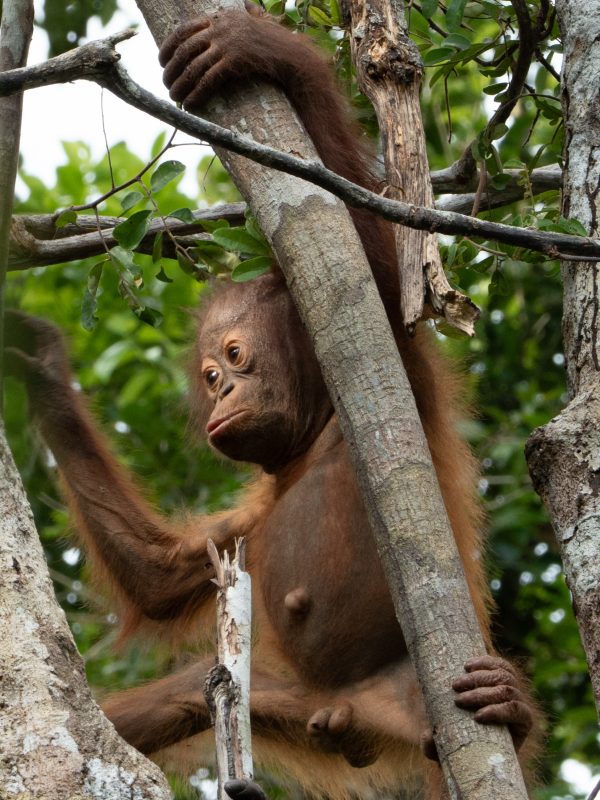
Covering a vast area of tropical peat-swamp forest, Sebangau is one of the most important orangutan habitats in Borneo. It is also known for its rich biodiversity, remote waterways, and conservation programs focused on protecting the forest and its wildlife.
If you are planning to visit Sebangau National Park, understanding where it is and how to reach it is the first step.
Where Is Sebangau National Park Located?
Sebangau National Park is in Central Kalimantan Province (Kalimantan Tengah), Indonesia.
The park is located south of Palangka Raya and extends across parts of several administrative areas, including Palangka Raya, Katingan Regency, and Pulang Pisau Regency.
Its location in the lowlands of Central Kalimantan makes Sebangau different from many of Borneo’s mountainous protected areas. The landscape is dominated by extensive peat-swamp forests, rivers, blackwater streams, and lowland rainforest.
The park’s geographical position also makes it an important ecological area between major river systems in Central Kalimantan.
How Far Is Sebangau National Park from Palangka Raya?
Palangka Raya is the most convenient starting point for many visitors to Sebangau National Park.
The exact distance depends on which part of the park you are visiting. Sebangau is a large protected area, and visitors do not simply arrive at a single entrance.
For trips to the Punggualas area, one of the best-known destinations for wildlife experiences in Sebangau, travelers generally begin their journey from Palangka Raya and continue by road and boat.
The journey itself is part of the experience. Instead of driving directly into the rainforest, visitors gradually leave the city behind before entering the waterways and forest landscape surrounding Sebangau.
Where Is Punggualas?
Punggualas is one of the best-known visitor destinations in Sebangau National Park.
It is located within the peat-swamp forest landscape of the park and is particularly associated with orangutan research and conservation.
Visitors usually reach Punggualas by traveling from Palangka Raya and then continuing by boat along the waterways leading toward the forest.
Because much of Sebangau consists of wetlands and peat-swamp forest, boats are an important part of transportation.
How Do You Get to Sebangau National Park?
For international travelers, the most practical route is usually to fly to Palangka Raya, the capital of Central Kalimantan.
Palangka Raya is served by Tjilik Riwut Airport (PKY).
From Palangka Raya, the journey continues overland and by boat depending on the destination and tour route.
A typical journey to a Sebangau wildlife destination may involve:
Flight → Palangka Raya → road transfer → river/boat journey → Sebangau National Park
The exact route depends on the area being visited, river conditions, weather, and the location of the accommodation or research station.
For this reason, visiting Sebangau is very different from visiting a national park that can be reached directly by car.
Is Sebangau National Park Near Tanjung Puting?
Sebangau National Park and Tanjung Puting National Park are both located in Central Kalimantan and are famous for their orangutans.
However, they are not the same national park, and they have different access routes and tourism experiences.
Tanjung Puting is generally accessed through Pangkalan Bun and Kumai, while Sebangau is commonly accessed from Palangka Raya.
This makes it possible to combine both destinations into a longer Borneo wildlife itinerary.
For travelers interested in seeing orangutans in different environments, visiting both parks can provide a more varied experience.
Why Is Sebangau National Park Important?
Sebangau protects one of the largest remaining areas of peat-swamp forest in Borneo.
The park is particularly important for the conservation of the Bornean orangutan. Its extensive forest provides habitat for wild orangutans as well as many other species.
The peatland ecosystem also stores large amounts of carbon. Protecting the forest therefore has importance beyond wildlife conservation.
Sebangau is home to a wide variety of wildlife, including:
- Bornean orangutans
- Proboscis monkeys
- Gibbons
- Macaques
- Hornbills
- Kingfishers
- Crocodiles
- Otters
- Numerous species of reptiles, amphibians, insects, and plants
The combination of wildlife and peat-swamp habitat makes Sebangau one of the most interesting natural areas in Central Kalimantan.
What Is the Landscape Like?
One of the most distinctive characteristics of Sebangau National Park is its peat-swamp forest.
Unlike the dry-looking forests that many visitors imagine when they think of tropical rainforest, Sebangau is strongly influenced by water.
The forest contains:
- Peatlands
- Blackwater rivers
- Small forest streams
- Swamp forests
- Tall tropical trees
- Dense vegetation
- Seasonal flooded areas
The dark color of some waterways comes from organic material released from the surrounding peatlands.
Traveling by boat through these waterways can be one of the most memorable parts of a Sebangau trip.
Can You Visit Sebangau National Park Independently?
Technically, Sebangau National Park is a protected area that can be accessed through designated areas and visitor arrangements.
However, independent travel can be challenging because of the park’s remote environment and the need to arrange transportation, boats, accommodation, permits, and local logistics.
For first-time visitors, joining a local tour or working with an experienced local guide is generally the easier option.
A local guide can also make a major difference when looking for wildlife, particularly orangutans and birds.
What Is the Best Way to Experience Sebangau?
If your main goal is to see wildlife, particularly orangutans, consider spending at least two or three days in the Sebangau area.
A longer stay gives you more opportunities to explore the forest and waterways and increases the amount of time available for wildlife observation.
A typical experience may include:
Day 1: Travel from Palangka Raya to the Sebangau area and explore the river and surrounding forest.
Day 2: Spend the day exploring the forest and searching for orangutans and other wildlife.
Day 3: Continue wildlife observation before returning to Palangka Raya.
The exact itinerary depends on the destination, accommodation, weather, and current park conditions.
When Is the Best Time to Visit?
Sebangau can be visited throughout much of the year, but conditions change considerably between the wet and drier periods.
During wetter periods, waterways can become more challenging, while high water levels may also provide access to areas that are otherwise difficult to reach.
The drier months can make some forest trails easier to explore, although tropical weather remains unpredictable.
For wildlife photography, early mornings and late afternoons are generally productive periods for observing wildlife.
Where Should You Stay?
Accommodation options depend on the specific area of Sebangau you are visiting.
Many visitors choose to stay in simple forest accommodation or facilities near their wildlife destination rather than returning to Palangka Raya every day.
Staying closer to the forest allows visitors to spend more time in the park and reduces the amount of daily travel.
For a short visit, however, Palangka Raya can be a convenient base before and after the trip.
Sebangau National Park on the Map
If you search for Sebangau National Park on a map, you will see that it covers a large area of Central Kalimantan rather than being a small destination with a single entrance.
This is important when planning your trip.
When someone says they are “visiting Sebangau National Park,” they may actually be referring to a specific destination, river route, research area, or tourism zone within the larger national park.
Therefore, it is better to plan your trip around a specific destination such as Punggualas, rather than simply navigating to “Sebangau National Park.”
Frequently Asked Questions
Where is Sebangau National Park?
Sebangau National Park is located in Central Kalimantan, Indonesian Borneo, south of Palangka Raya.
What is the nearest city to Sebangau National Park?
Palangka Raya is the main city and gateway commonly used by travelers visiting Sebangau.
How do I get to Sebangau National Park?
Most visitors travel to Palangka Raya first and then continue by road and boat to their chosen destination inside or around the national park.
Can I see orangutans in Sebangau National Park?
Yes. Sebangau is an important habitat for wild Bornean orangutans and is well known for orangutan research and conservation.
However, orangutans are wild animals, so sightings cannot be guaranteed.
Is Sebangau National Park worth visiting?
Yes, especially for travelers interested in wild orangutans, rainforest, birdwatching, photography, and conservation.
Its peat-swamp forest and remote waterways also offer an experience that is quite different from many other destinations in Borneo.
Plan Your Visit to Sebangau National Park
Sebangau National Park is one of the most fascinating destinations in Central Kalimantan for travelers who want to experience Borneo’s rainforest and wildlife.
Its location near Palangka Raya makes it relatively accessible compared with some of the more remote areas of Borneo, while the park itself remains wild and relatively undeveloped.
If you are planning your first visit, start by deciding which part of Sebangau you want to explore, how many days you have, and whether your priority is orangutan watching, birdwatching, photography, or experiencing the peat-swamp forest.
From there, your route and accommodation can be planned accordingly.
Ready to explore Sebangau National Park? Explore our Sebangau tours from Palangka Raya and discover one of Borneo’s most important orangutan habitats.